
















In today’s political climate, civic knowledge matters more than ever because more people are running into trouble with law enforcement than ever before.
A strong understanding of government and the law can open students’ eyes to the issues shaping modern America and help them think critically about the debates happening around them.
Ultimately, civic knowledge strengthens democracy. It allows citizens to advocate for themselves and navigate legal systems with confidence rather than frustration.
But how are students expected to succeed after graduating high school with only a minimal understanding of a world filled with laws, rights, and responsibilities?
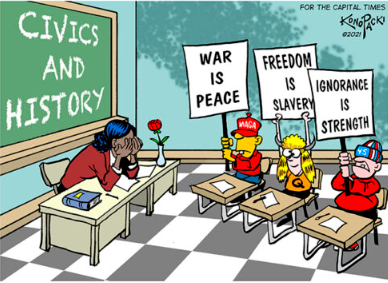
This is why civics education deserves a stronger place in modern classrooms. Understanding how our legal and political systems operate is not simply something students should learn for a grade; it is a practical skill that affects everyday life. When citizens understand both their rights and their responsibilities, they are better prepared to participate in democracy, evaluate political information, sift through propaganda, and engage respectfully with differing opinions and people in positions of authority.
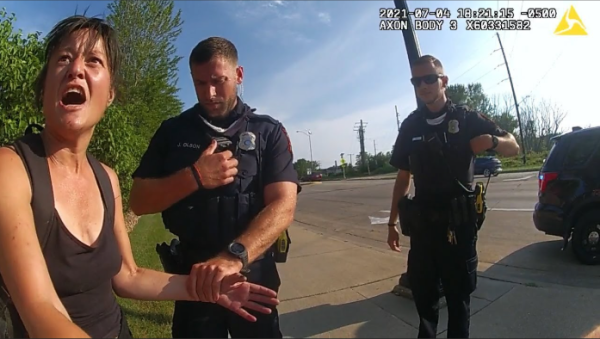
One place where this lack of civic knowledge becomes especially visible is in interactions between citizens and law enforcement.
In recent years, it has become common to see videos online of people confronting police officers while claiming they “know their rights.” While the ability to advocate for oneself is an important part of a free society, many of these situations escalate because the individuals involved misunderstand what the law actually allows.
Knowing that you have rights is important. Knowing the limits and proper ways to exercise those rights is even more important.
Without accurate civic education, people may unintentionally place themselves in legal
trouble while believing they are acting correctly. From a legal perspective, gaps in civic knowledge often lead to unnecessary conflict. Lawyers and prosecutors spend years studying the Constitution because rights like free speech, due process, and protections against unreasonable searches exist within a complex system shaped by decades of court rulings.
Simply knowing that you have rights is not the same as understanding how they apply.
Stronger civics education would help students move beyond slogans and viral videos toward real understanding. Thus, learning not just to claim their rights, but to assert them clearly, responsibly, and effectively.