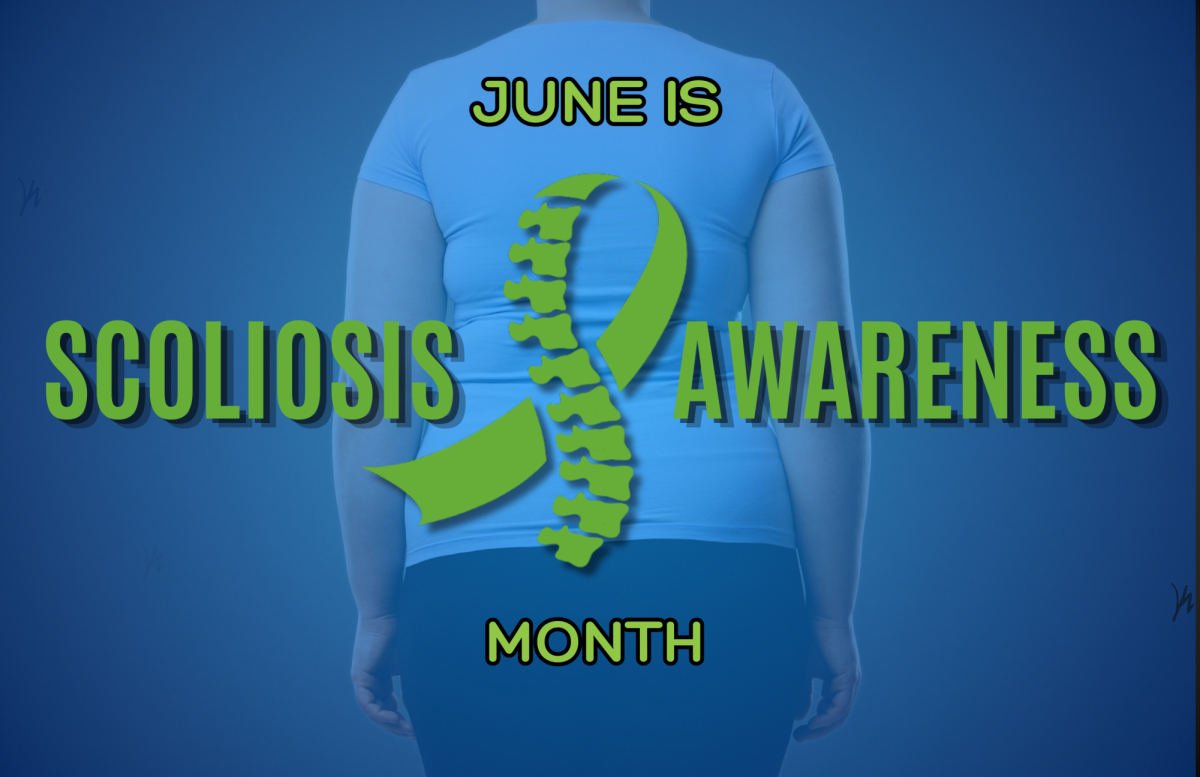

















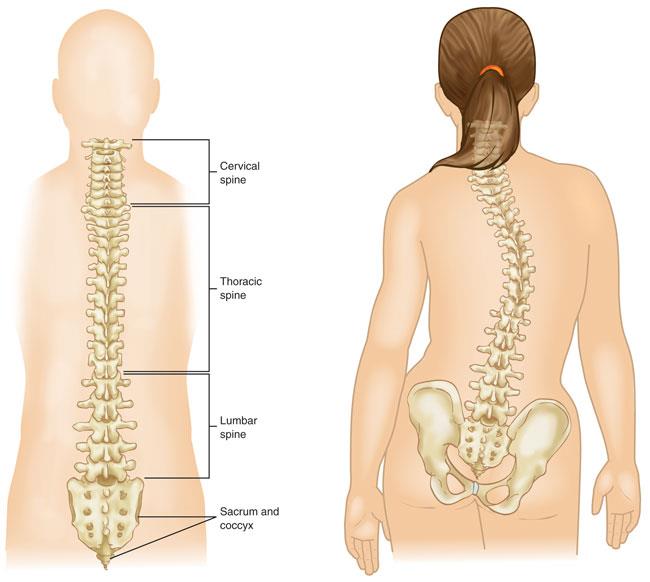
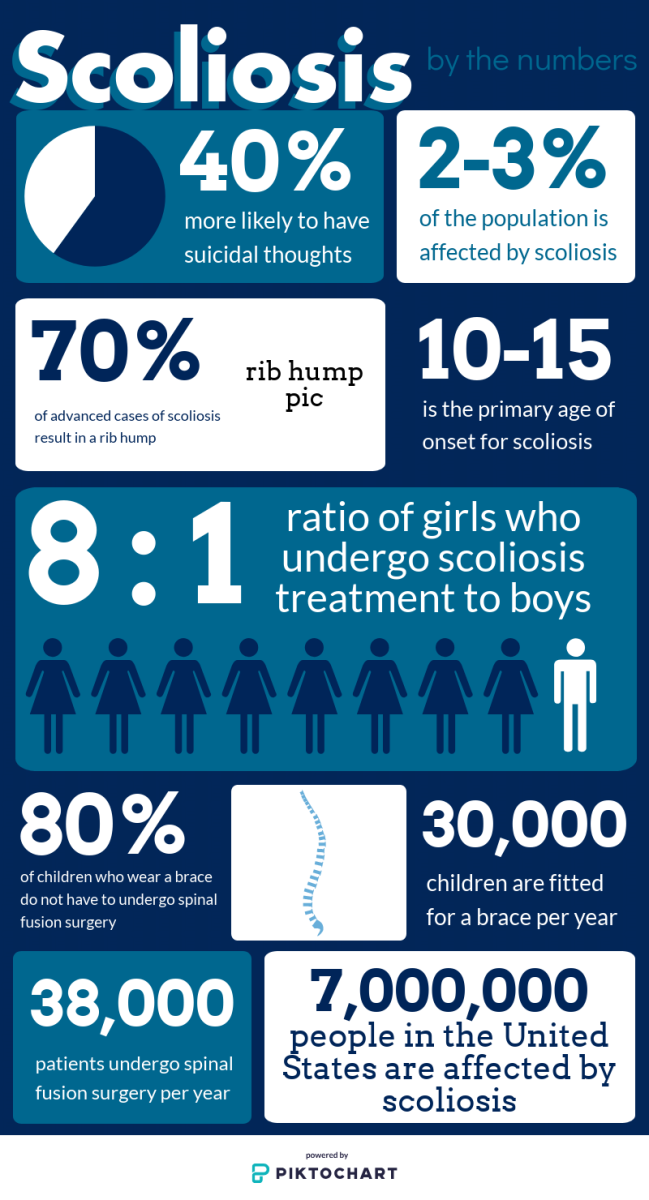
Scoliosis is a disorder where the spine curves sideways instead of staying straight. It can look like the shape of an S or a C on an X-ray, and it affects people of all ages, including infants, kids, teens, and adults. June is known as National Scoliosis Awareness Month, which is a time dedicated to helping people learn more about the condition, understand why early detection matters, and support those who live with it. During this month, medical groups, families, and communities work together to spread awareness and encourage people to get informed on the medical condition around 2-3% of Americans go through!
Understanding Scoliosis and Supporting the Community
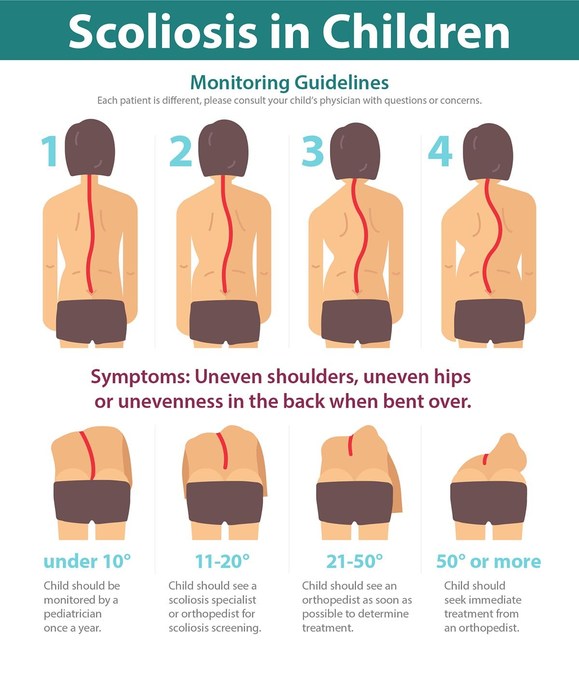
Doctors use different treatments depending on how old a patient is and how much the curve is progressing. The following are some of the main approaches:
- Early diagnosis importance helps prevent the curve from getting worse
- Bracing as early care is often used for teens to keep the curve from progressing
- Physical therapy and rehabilitation strengthens muscles and improves posture
- Surgery may be needed for more serious curves
- Multidisciplinary care brings together specialists like orthopaedists, orthotists, and rehabilitation experts
- Radiation reducing technology helps protect young patients during imaging and surgical planning
What Patients of Different Age Groups Experience
Scoliosis affects people differently depending on their age and how much they are still growing. Some examples of types of Scoliosis age groups suffer from include:
- Infantile scoliosis appears in children ages zero to three
- Juvenile scoliosis affects kids ages four to ten
- Adolescent scoliosis is most common and usually appears between ages eleven and eighteen
- Adult scoliosis can come from aging or from curves that were never treated earlier
- Emotional and social impact can affect confidence, comfort, and daily life
Ways People Can Advocate and Raise Awareness
- Social media campaigns to share facts and spread information
- Community events like school presentations or awareness walks
- Fundraising to support research and patient programs
- Press outreach to help local news share awareness messages
- Webinars and education to learn more about treatment and patient experiences
- Advocacy letters to encourage states to continue nationally recognizing the month
- A Month of Awareness, Action, and Community
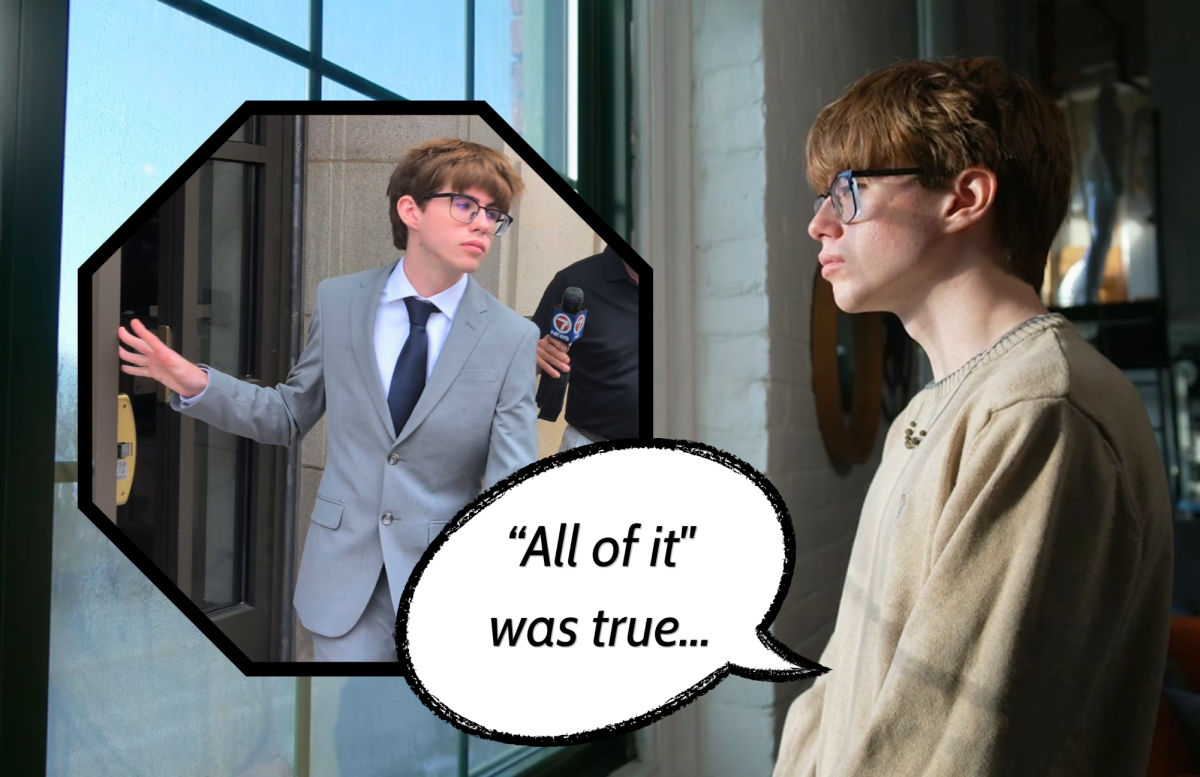
National Scoliosis Awareness Month brings people together to learn, support one another, and encourage early detection so patients can get the care they need. It reminds us that awareness can make a real difference in the lives of those who live with scoliosis. To help show the personal side of this condition, I would like to introduce you to a Highlander, Giana Porcaro, whose story will give you a better understanding of what it is to live with scoliosis as a student here at Doherty.
The Reality of Living With Scoliosis as a Teenager
Tune in for more Awareness Month related articles.
Sources:
- https://www.srs.org/Patients/Events/Scoliosis-Awareness-Month
- https://spinehealth.org/scoliosis-awareness-month/
- https://www.scoliosis.org/scoliosis-awareness-month/\
- https://spine-practice.com/june-is-national-scoliosis-awareness-month/
- https://www.med.unc.edu/ortho/2025/06/june-national-scoliosis-awareness-month/
- https://www.srs.org/SRS-News/Its-Time-to-Speak-Up-For-Scoliosis-during-Scoliosis-Awareness-Month