

























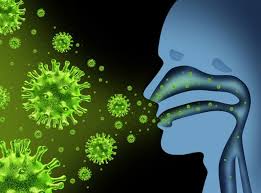
Flu season is upon us and it typically lasts from October through May, with the highest number of cases occurring during the winter months. Influenza, commonly known as the flu, is a contagious respiratory illness that can cause symptoms ranging from mild discomfort to severe complications. Each year, flu viruses change slightly, which is why the flu continues to be a serious public health concern and why prevention efforts are so important.
This flu season has been especially severe in Massachusetts. Health officials have reported very high levels of flu activity, with a sharp increase in hospitalizations and deaths. So far during the 2025–2026 flu season, more than 100 adults and at least five children in Massachusetts have died from flu-related illnesses. These numbers highlight that the flu is not just a minor sickness and can have deadly consequences, even for people who are otherwise healthy.
Many people underestimate the flu, confusing it with a common cold. However, the flu can lead to high fever, intense body aches, extreme fatigue, and respiratory complications. In severe cases, it can result in hospitalization or death, particularly among young children, older adults, pregnant individuals, and people with underlying health conditions. Nationally, the flu causes millions of illnesses and tens of thousands of deaths each year, making it one of the most serious seasonal health threats.
The most effective way to prevent the flu is by getting vaccinated. Health experts recommend that everyone six months of age and older receive a flu vaccine every year unless advised otherwise by a medical professional. The vaccine works by helping the immune system recognize and fight the virus. Flu shots do not cause the flu, and even when the vaccine does not fully prevent infection, it significantly reduces the risk of severe illness, hospitalization, and death. Although getting vaccinated early in the fall is ideal, it is still beneficial to receive the flu shot later in the season.
In addition to vaccination, there are several everyday actions that help reduce the spread of the flu. Washing hands frequently with soap and water, covering coughs and sneezes, and staying home when sick all play an important role in protecting others. Avoiding close contact with people who are ill and wearing a mask when feeling unwell can also help limit transmission. For those who do become sick, antiviral medications prescribed by a doctor can reduce symptoms and shorten recovery time if taken early.
Flu vaccination is not just about individual protection, it also helps protect the broader community. When more people are vaccinated, the virus has fewer opportunities to spread, which helps protect vulnerable populations who are at higher risk for severe complications. In Massachusetts, flu vaccines are widely available at doctors’ offices, pharmacies, and community health clinics, and many are covered by insurance or provided at low or no cost.
As flu cases continue to rise this season, taking preventative measures and getting vaccinated are critical steps in keeping individuals, families, and communities safe. The flu is serious, but with proper awareness and action, its impact can be reduced.