



























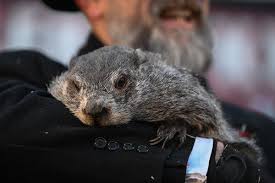
Every year on February 2nd, millions of Americans tune in to watch the beloved groundhog Punxsutawney Phil make his famous prediction. According to tradition, if Phil sees his shadow, we are said to have six more weeks of winter; if he doesn’t, an early spring is on the way. For the past four years, Phil has predicted six more weeks of winter, and this year was no different. The ceremony took place on a bright, sunny morning, so it seemed almost guaranteed that he would “see” his shadow and make the same prediction once again.
Groundhog Day has its roots in European weather folklore, brought to America by German settlers in the 18th and 19th centuries. Originally, animals like hedgehogs were used to predict seasonal changes, but when the tradition reached Pennsylvania, groundhogs took their place. Punxsutawney Phil became the most famous of them all, with the first official celebration held in 1887. Over time, the event turned into a major festival, complete with crowds, costumes, and media coverage.
Is it rigged? Probably. Phil’s predictions aren’t based on science, and studies have shown that his accuracy rate is not much better than random guessing. Still, that’s not really the point. Groundhog Day is less about actual weather forecasting and more about tradition, community, and having a bit of fun in the middle of winter. In a season that can feel long and cold, letting a groundhog “predict the future” gives people something lighthearted to enjoy and sometimes, that’s enough of a reason to keep on.