






















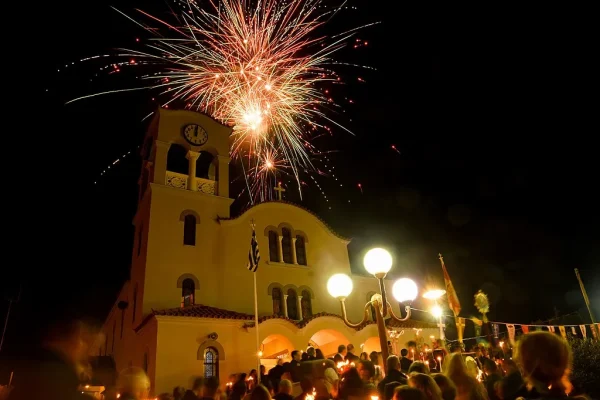
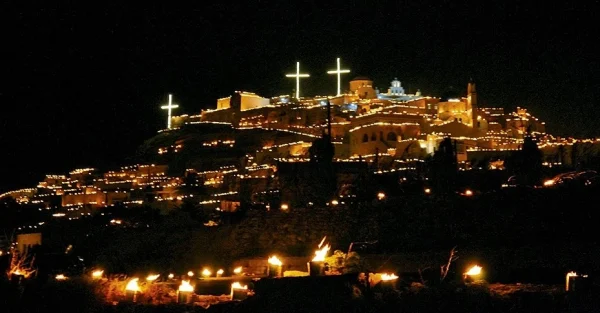
Easter is the most significant Christian holiday, celebrating the resurrection of Jesus Christ three days after his crucifixion, which signifies the success and victory over sin, death, and gives the promise of eternal life. In the Eastern Orthodox Church, Pascha is the most important holiday, celebrating the resurrection of Jesus Christ after his crucifixion as well. Pascha is the official name for Easter, but people might say “Greek Orthodox Easter” so others understand more, but Pascha is usually used more, especially in church. But unlike Western Easter, Pascha follows a different calendar, so it usually falls on a different date.
When is it celebrated? Following the Julian Calendar (rather than the Gregorian calendar), Eastern Orthodox Easter is celebrated on the first Sunday after the first full moon after the Spring Equinox, and always after Passover. This usually causes it to happen after or later than Western Easter.
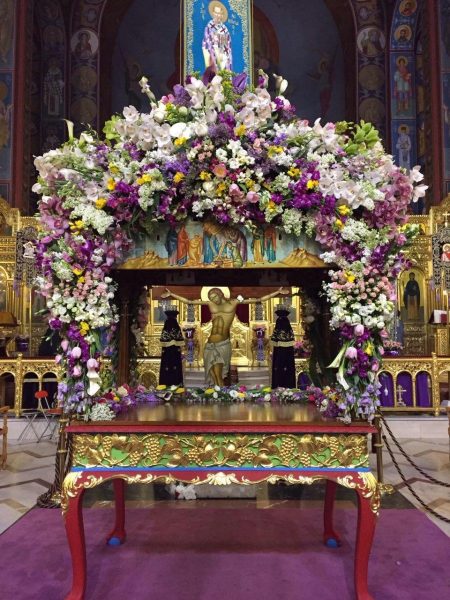
The week before Easter, Holy Week, includes important events from the life of Jesus such as Palm Sunday (Jesus enters Jerusalem), Holy Monday (Bridegroom Service), Holy Tuesday (Bridegroom Service), Holy Wednesday (Sacrament of the Holy Unction), Holy Thursday (Last Supper), Good Friday (Crucifixion of Jesus), Holy Saturday (Midnight Service marking the Resurrection of Jesus, where candles are lit and the Priest announces “Christ is Risen!”, with people responding “Truly He is Risen!”), and of course Easter Sunday (Pascha, the celebration of the Resurrection).
There are multiple services, morning and evening, every day of Holy Week. Saturday night is the most important celebration, as mentioned and explained before, because people gather at church around midnight. The phrases “Christ is Risen!” and “Truly He is Risen!” are usually said in Greek as “Χριστός Ανέστη!” (Christós Anésti- Christ is Risen!) and “Αληθώς Ανέστη!” (Alithós Anésti- Truly He is Risen!) in the service as everyone holds candles, in the darkness, symbolizing light overcoming darkness.
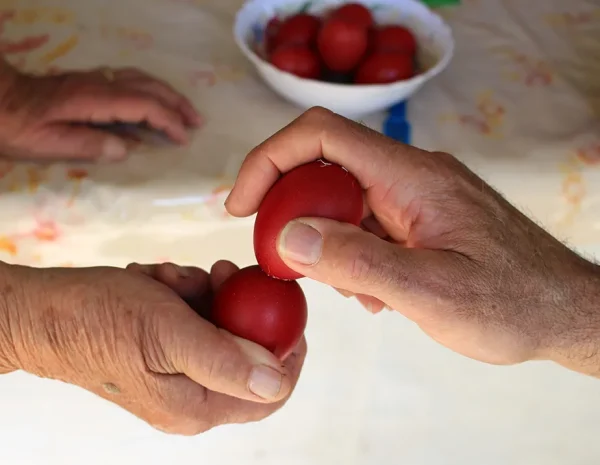
What are some Traditions, Symbols, & Customs? Red eggs are a huge part of Pacha. The eggs are dyed red to symbolize the blood of Jesus Christ, and there is also a game people play called “tsougrisma” where they crack eggs and whoever wins is said to have good luck. Candles are also important as they are used during the midnight service, representing the light of Christ. Cleaning and preparation before Holy Week is also important, as well as new clothes often being worn on Pascha. Some symbols are the eggs for new life, light for the resurrection, lamb for sacrifice, and the cross for faith.
Before Pascha, Eastern Orthodox Christians have the Great Lent. Lasting forty days, people avoid meat, dairy, and sometimes oil while focusing on prayer, reflection, and self-discipline to better themselves. Fasting is a personal thing that many people either choose to participate or not, and some people fast stricter than others, but it is all accepted either way, especially because some individuals may have health restrictions or other outside factors not allowing them to be able to fast on certain things.
All in all, Greek Orthodox Easter (Pascha) is a very spiritual and deeply meaningful holiday that celebrates the resurrection of Jesus Christ, and it includes religious services, fasting, traditions, etc. It is honestly the most important event in the Orthodox calendar that always represents new beginnings, hope, renewal, peace, and faith.