






















May is National Women’s Health Month, a time dedicated to raising awareness about the unique health needs of women and encouraging them to take charge of their well‑being. Even as the month comes to a close, the message remains important: women of all ages deserve access to preventive care, education, and support. The U.S. Department of Health and Human Services highlights this month as a reminder that caring for your health is not optional–it’s essential.
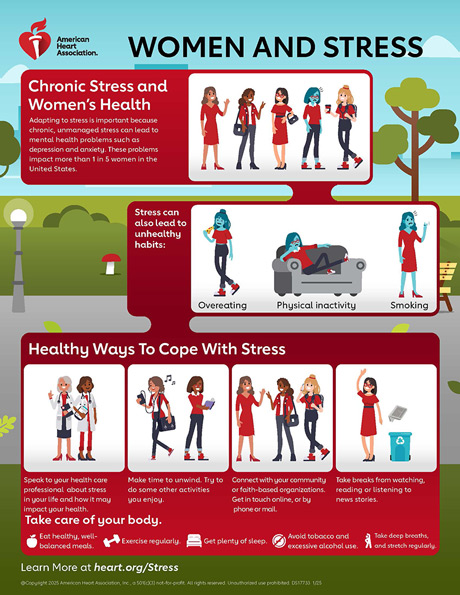
Women face a wide range of health concerns throughout their lives, from reproductive and sexual health to chronic conditions like heart disease, diabetes, and osteoporosis. Many of these issues can be prevented or treated early through regular checkups, screenings, and healthy habits. Women’s Health Month encourages women to learn the warning signs of common conditions, understand their risk factors, and speak with healthcare providers when something feels out of the ordinary.
This month also emphasizes the importance of mental health, physical activity, and nutrition. Anxiety and depression affect millions of women, and staying active, eating well, and getting enough sleep all play major roles in long term wellness. By focusing on both physical and emotional health, Women’s Health Month empowers women to build healthier futures for themselves and loved ones.
Common Health Concerns for Women
- Breast Cancer: Nearly 250,000 new cases are diagnosed each year. Early detection through exams and mammograms saves lives.
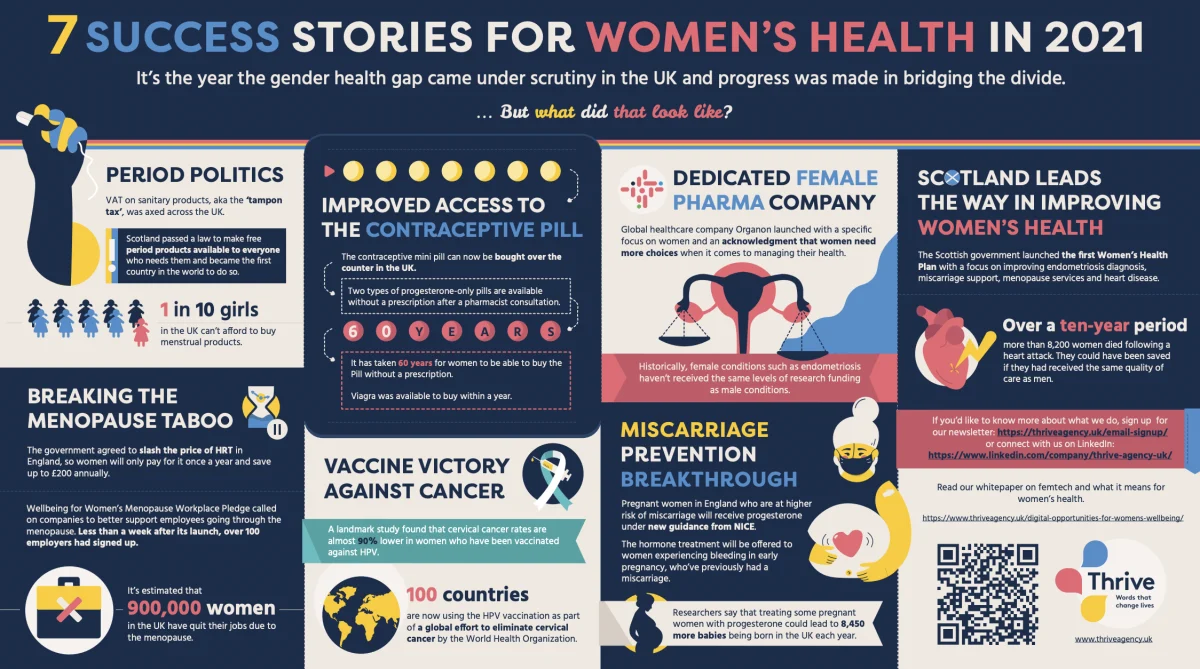
- Cervical Cancer: Often linked to HPV. Routine Pap smears and HPV vaccination greatly reduce risk.
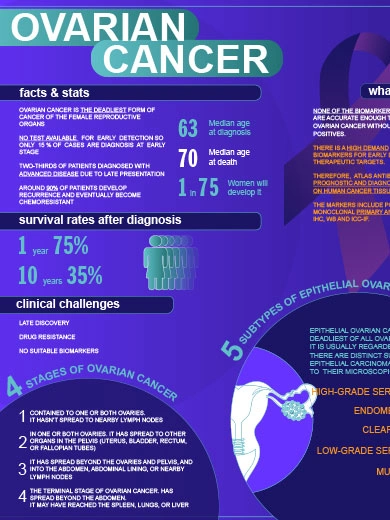
- Ovarian Cancer: Most common in women over 55. Regular pelvic exams help detect early signs.
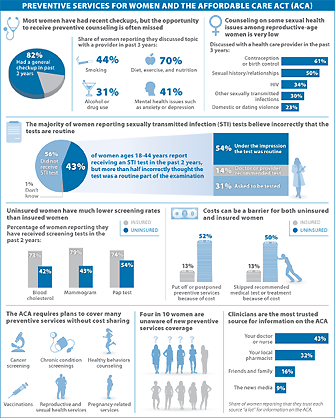
- Reproductive & Sexual Health: Safe sex, STI testing, and prenatal care are essential for long‑term health.
- Mental Health: Anxiety and depression affect women at high rates; recognizing symptoms early is important.
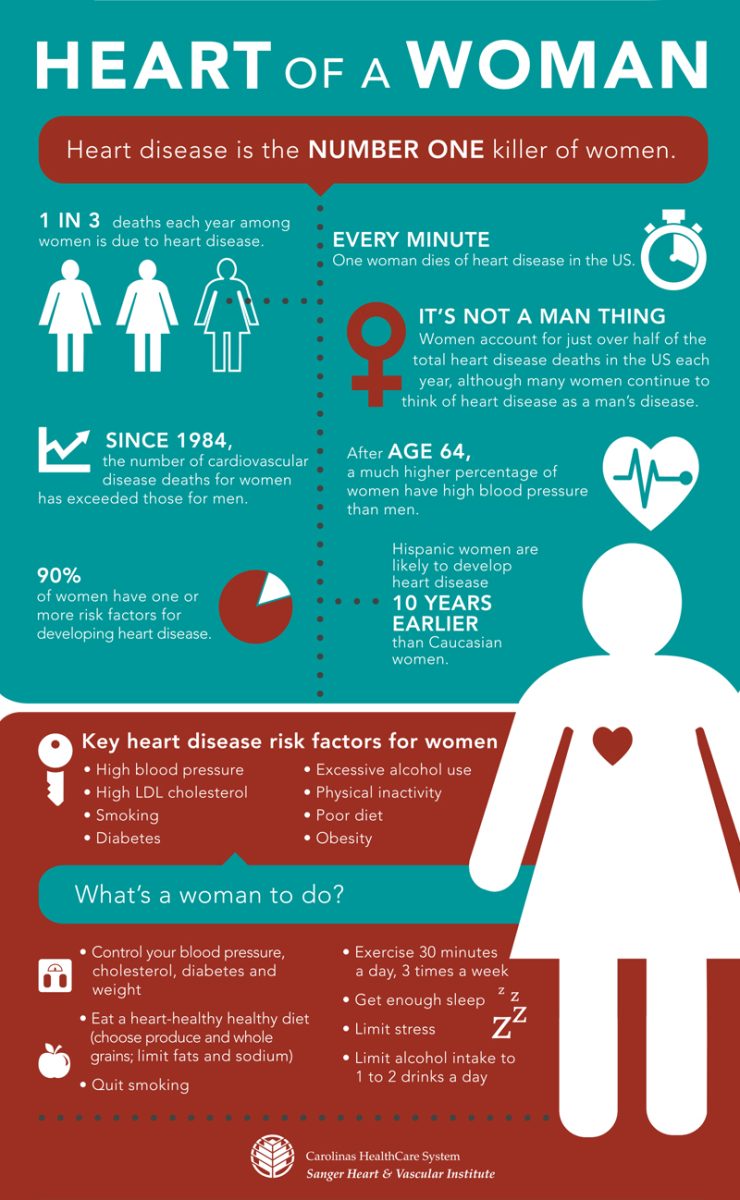
- Cardiovascular Disease: The leading cause of death among women in the U.S., responsible for nearly 300,000 deaths each year.
How Women Can Take Action
- Schedule annual checkups to stay on top of screenings and preventive care.
- Stay active: Aim for at least 150 minutes of moderate exercise each week.
- Eat a balanced diet rich in fruits, vegetables, whole grains, and lean proteins.
- Manage stress through mindfulness, counseling, or relaxation techniques.
- Avoid smoking and limit alcohol use.
- Get enough sleep: Most need 7-9 hours each night for a good rest.
- Stay up to date on screenings like mammograms, Pap smears, and STI tests.
Building a Healthier Future
Women’s Health Month is more than an observance–it’s a reminder to prioritize your health every day of the year. By learning about common health risks, staying informed, and taking small steps toward healthier habits, women can protect their well‑being and support the people around them. May may be ending, but the commitment to women’s health continues! Tune in for more awareness articles.
Sources:
- https://womenshealth.gov/nwhw
- https://www.cbwchc.org/news/national-womens-health-month-prioritizing-and-supporting-womens-wellness
- https://www.mylivingstonhospital.com/news-stories/news/womens-health-awareness-month-2026
- https://www.athenswellnessclinic.org/blog-featured-posts/may-is-national-womens-health-month