























Every year on March 17, cities fill with people wearing green, watching parades, and celebrating with shamrocks and festive decorations. For many, St. Patrick’s Day is simply a fun holiday. However, the history behind the celebration is far deeper than green clothing and lucky charms. St. Patrick’s Day honors Saint Patrick, a religious figure who helped shape the history of Ireland. Over time, what began as a solemn religious feast transformed into a global celebration of Irish heritage especially in the United States.
Despite popular belief, Saint Patrick was not actually Irish. He was born in Britain in the late fourth or early fifth century. As a teenager, he was kidnapped by Irish raiders and forced into slavery in Ireland. After six years, he escaped and returned home. Later in life, he went back to Ireland as a Christian missionary. He is credited with helping spread Christianity throughout the country. According to legend, Saint Patrick used a shamrock, a small three-leafed plant, to explain the Christian concept of the Holy Trinity. While some details of his life are based on stories passed down over time, historians agree that he played an important role in Ireland religious history.
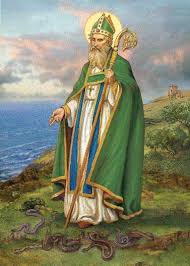
March 17 marks the traditional date of Saint Patrick’s death. For centuries, this day was observed in Ireland as a religious feast day. Families attend church services and spent time reflecting on his contributions. Unlike the lively celebrations seen today, early observances were generally quiet and focused on faith. In fact, for many years, Irish laws required pubs to close on March 17 because the holiday was considered strictly religious.
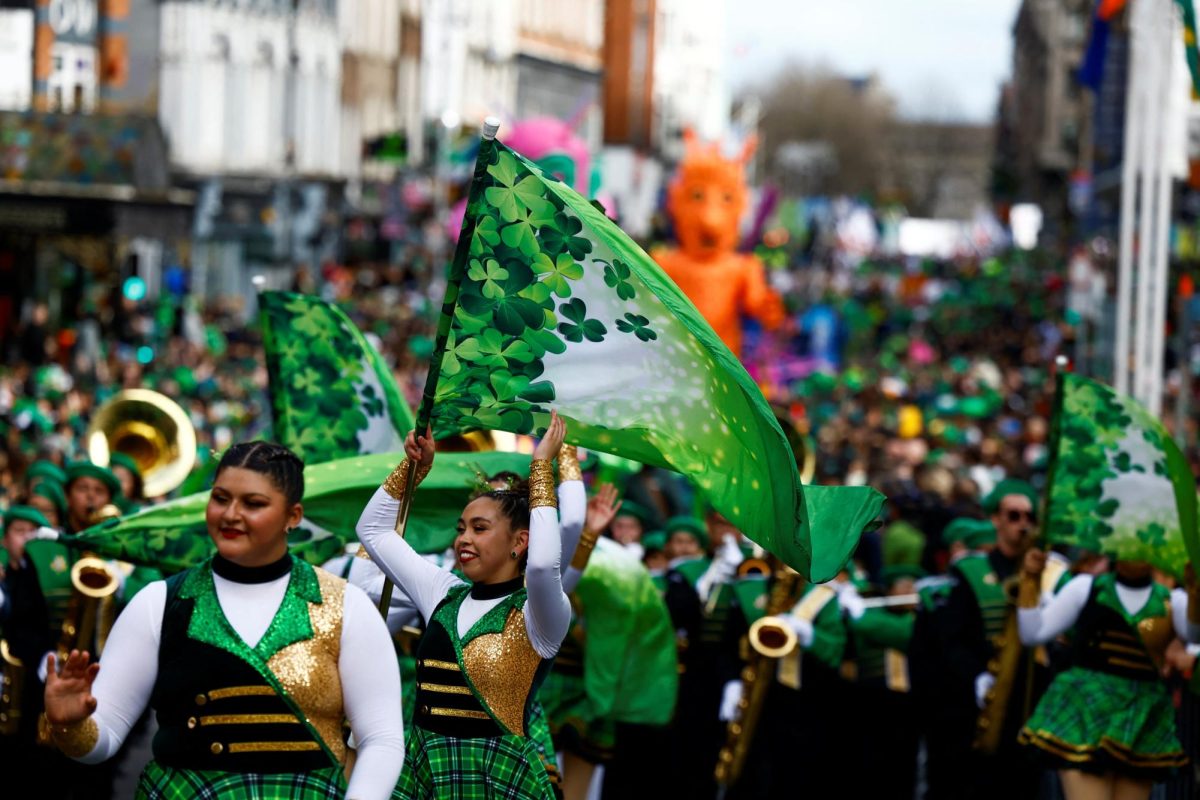
Interestingly, many of the large celebrations associated with St. Patrick’s Day did not begin in Ireland at all. Instead, they started in America. Irish immigrants who moved to cities such as New York City during the 1700s and 1800s began organizing parades to celebrate their heritage. These events became a way for Irish Americans to show pride in their culture during a time when they often faced discrimination. Over time, the parades grew larger and more elaborate, turning St. Patrick’s Day into a major public celebration.
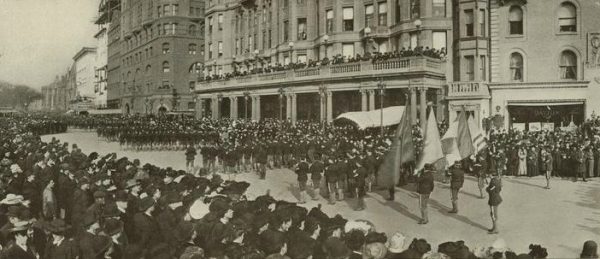
As the holiday spread around the world, new traditions developed. Wearing green became popular because the color is strongly associated with Ireland, which is often called the “Emerald Isle.” Shamrocks became a symbol not only of Saint Patrick but of Irish identity in general. Leprechauns, small mythical creatures from Irish folklore, were later added to the celebration even though they have no real connection to Saint Patrick himself. Today, cities across the globe host parades, festivals, and cultural events in honor of Irish history.
Although modern celebrations can sometimes focus more on parties than history, St. Patrick’s Day still holds important meaning. For many people, it is a time to celebrate Irish ancestry and recognize the contributions of Irish immigrants to countries like the United States. It also serves as an example of how cultural traditions evolve over time. What started as a religious feast day became a symbol of cultural pride and unity.

St. Patrick’s Day is more than just wearing green for a day. It is a reminder of history, resilience, and the lasting impact of culture and immigration. Understanding the real story behind the holiday allows people to appreciate it not only a celebration, but also as a meaningful part of world history.