














May is American Stroke Month and National High Blood Pressure Education Month–a time dedicated to learning how stroke happens, how to recognize it fast, and how to protect your long‑term health. High blood pressure is one of the biggest risk factors for stroke, yet many people don’t even know they have it. Understanding the warning signs and taking small steps toward prevention can save lives.
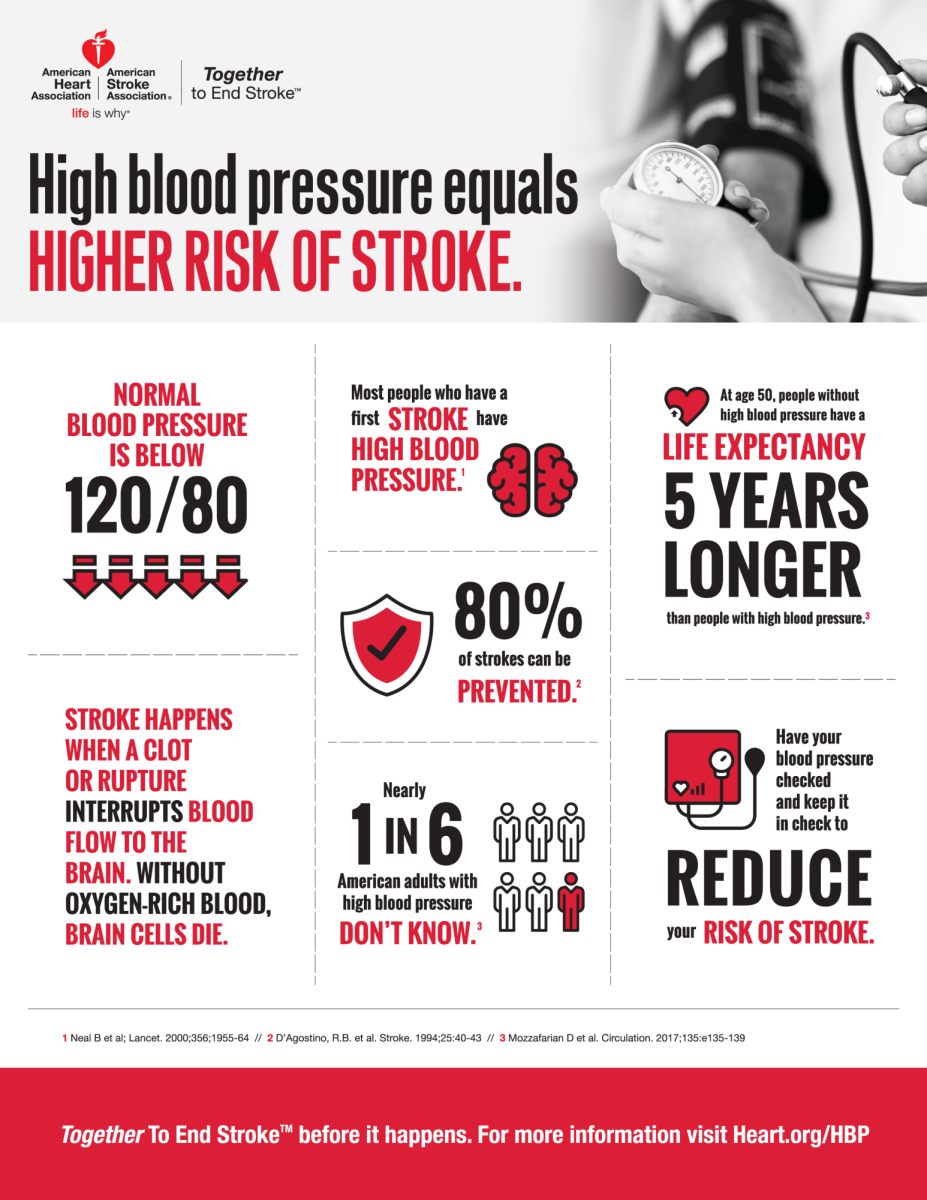
What Is High Blood Pressure?
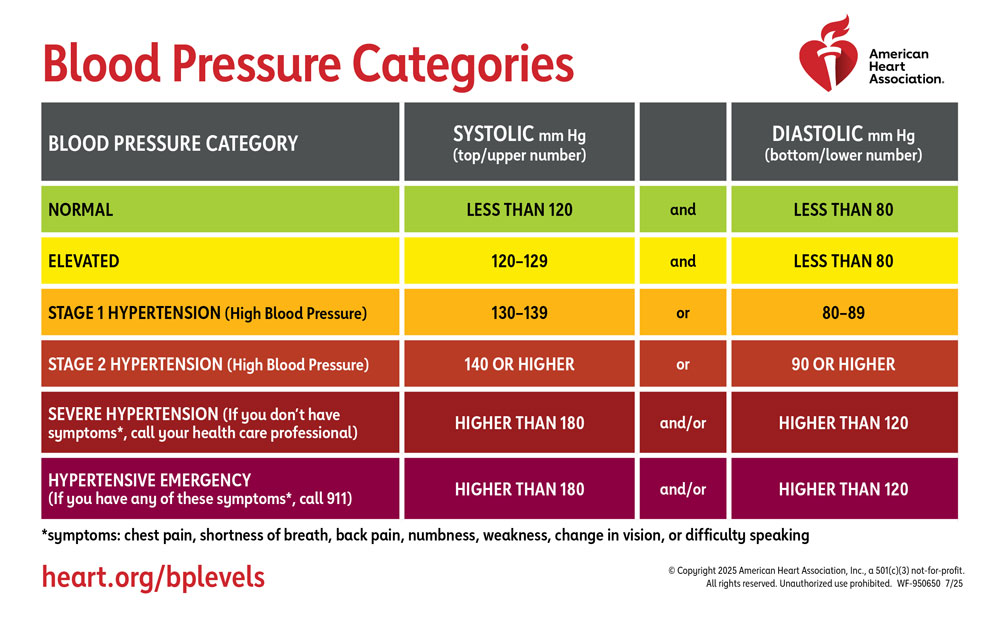
High blood pressure (hypertension) happens when the force of blood pushing against your artery walls stays too high for too long. It’s often called the “silent killer” because most people don’t feel symptoms until serious damage has already occurred.
High blood pressure increases the risk of:
- Stroke
- Heart attack
- Kidney disease
- Vision problems
- The only way to know your numbers is to get them checked regularly.
B.E. F.A.S.T.: Warning Signs of Stroke
Recognizing a stroke quickly is critical. Every minute counts because time lost is brain lost. Use the B.E. F.A.S.T. method to spot symptoms:
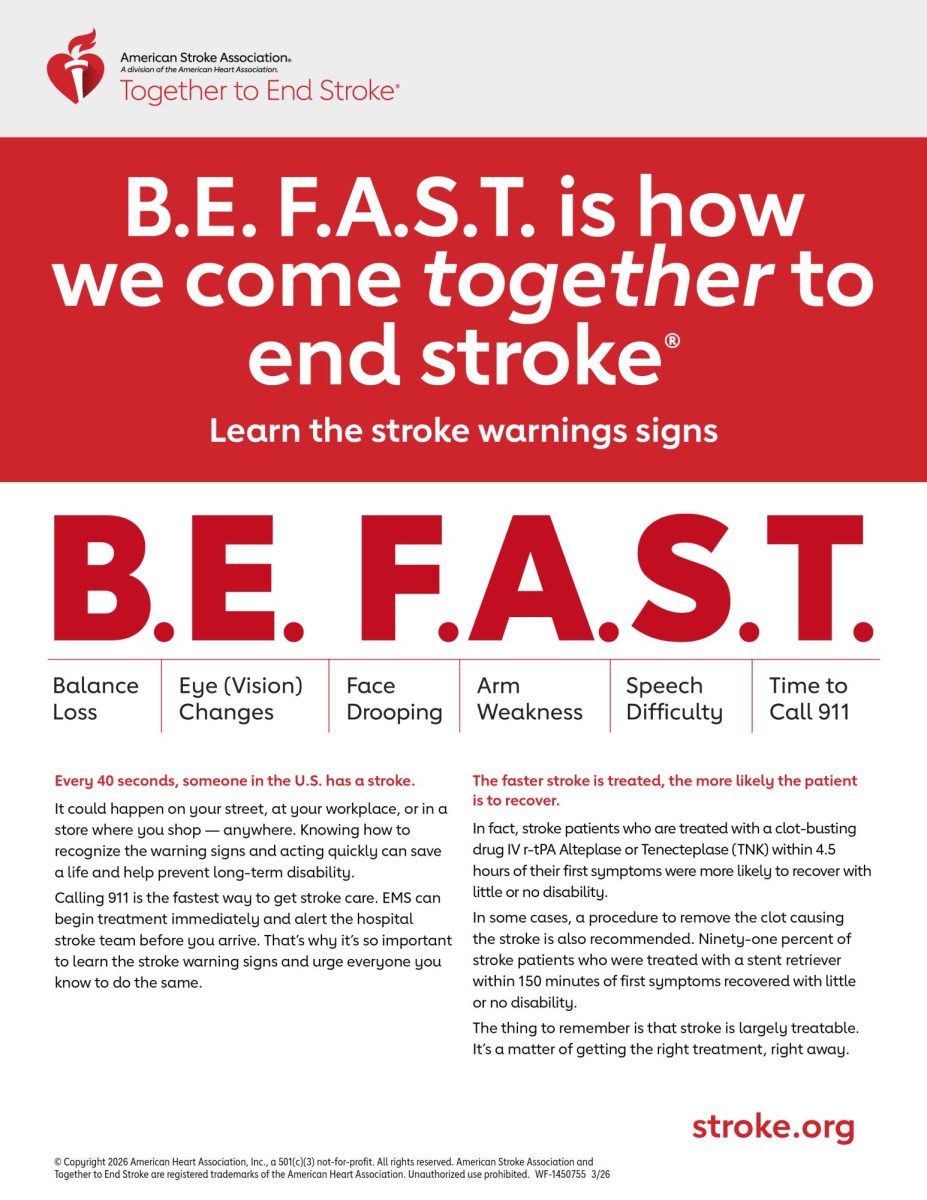
- B = Balance Loss–Sudden dizziness, trouble walking, or loss of coordination.
- E = Eye Changes–Blurred, double, or sudden loss of vision.
- F = Face Drooping–One side of the face looks uneven or numb.
- A = Arm Weakness–One arm drifts downward or feels weak.
- S = Speech Difficulty–Slurred, confused, or hard‑to‑understand speech.
- T = Time to Call 911–Don’t wait. Call immediately.
Learning these signs can help you act fast and potentially save someone’s life.
5 Key Facts About Stroke
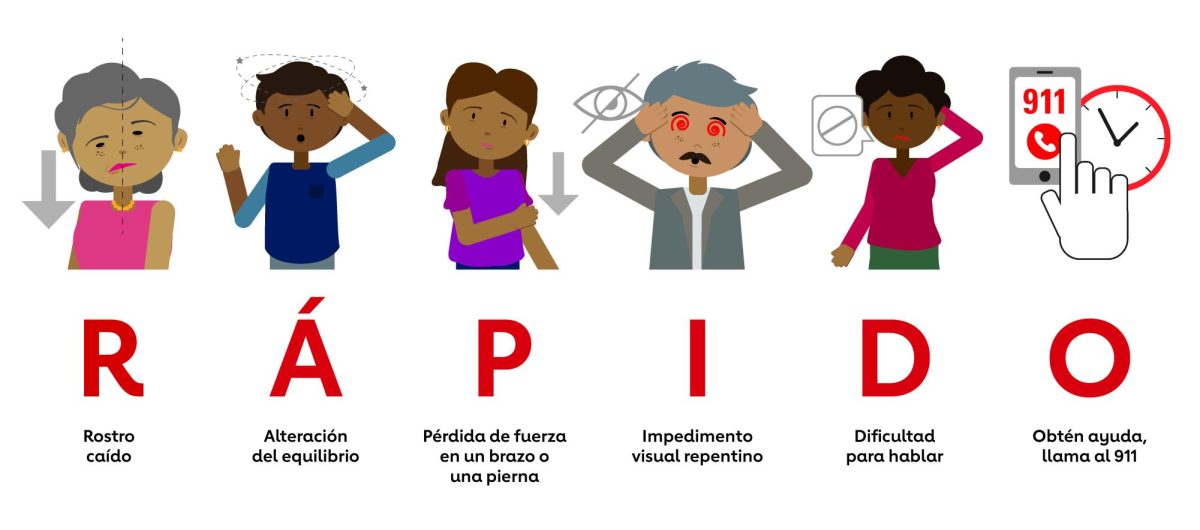
- Stroke kills brain cells. When blood flow is blocked or a vessel ruptures, brain cells begin to die within minutes.
- There are three main types of stroke. Ischemic (clot), hemorrhagic (bleed), and TIA (“warning stroke”).
- 1 in 4 stroke survivors is at risk for another. The good news: up to 80% of second strokes may be preventable.
- Prevention matters. Managing blood pressure, staying active, eating well, and taking medications as prescribed can reduce risk.
- Speed saves lives. The faster someone gets help, the better their chances of recovery.
Whole‑Body Wellness: Small Steps, Big Impact
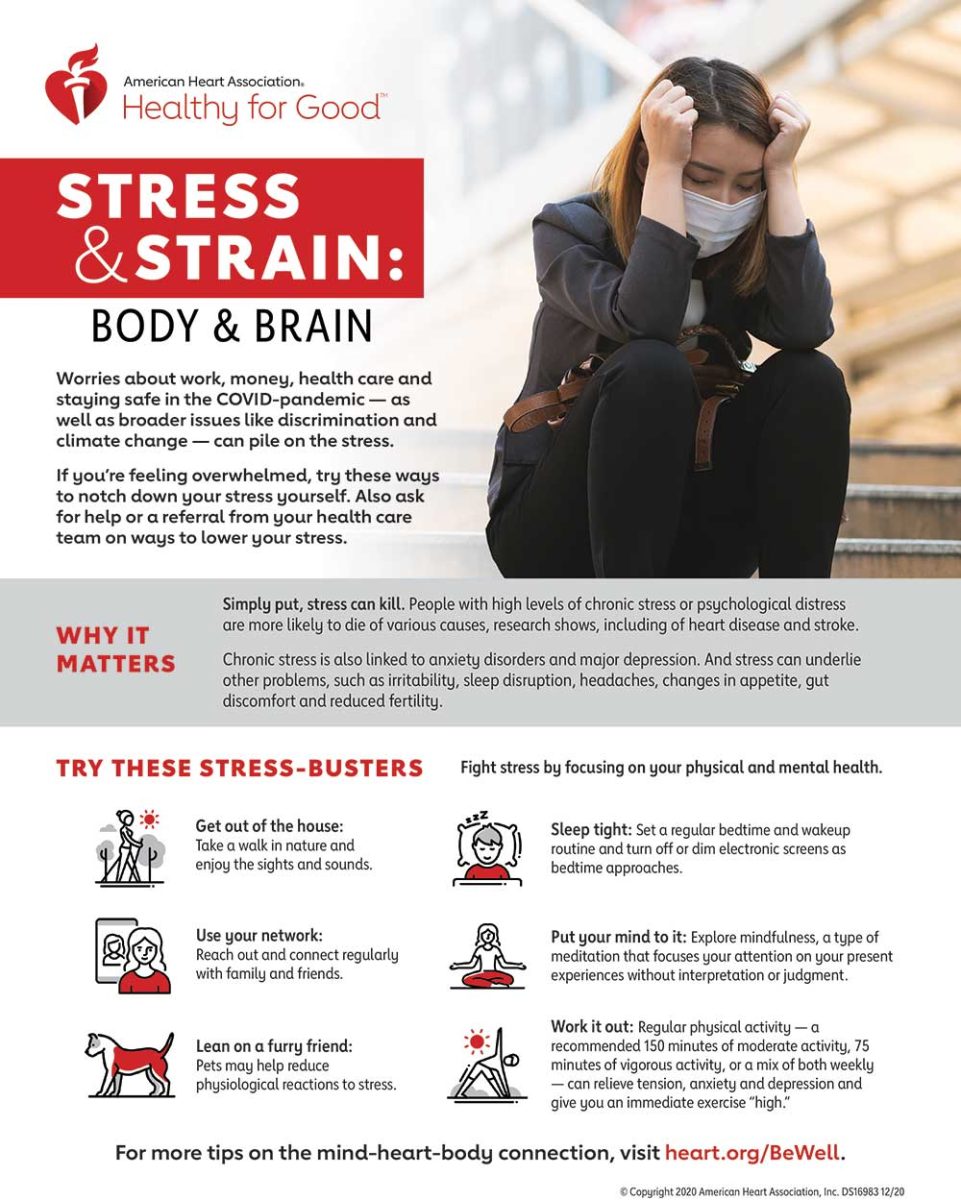
Healthy habits support your heart, brain, and overall well‑being. It’s never too late to start:
- Get 7–9 hours of sleep each night.
- Move more–aim for 150 minutes of moderate exercise per week.
- Eat more fruits and vegetables; limit sodium, sugar, and unhealthy fats.
- Don’t smoke or vape–quitting lowers stroke risk almost immediately.
- Schedule regular check‑ups and talk to your doctor about your blood pressure.
Why This Month Matters
Stroke is one of the leading causes of death and disability in the United States, but it’s also largely preventable. By learning the signs, checking your blood pressure, and making healthy choices, you can help protect yourself and the people you care about.
Raising awareness this month helps build a healthier, more informed community–one where more people know how to act and “B.E. F.A.S.T.” when it matters most. Tune in for more May awareness months!
Sources:
- https://www.cdc.gov/mmwr/preview/mmwrhtml/mm6418a8.htm
- https://www.stroke.org/en/about-the-american-stroke-association/stroke-awareness-month
- https://newsroom.heart.org/events/may-is-american-stroke-month-and-highlights-high-blood-pressure-education-asian-american-and-pacific-islander-heritage-and-national-womens-health-month-plus-mental-health-awareness-and-better-sleep
- https://www.nhlbi.nih.gov/education/high-blood-pressure/high-blood-pressure-education-month